

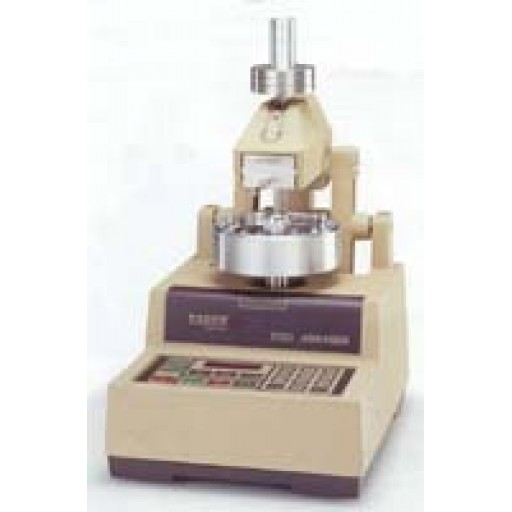
Measure the relative abrasiveness of fluids, powders, pastes and semi-solids
The Taber Multi-Media Abraser provides a reproducible method for comparing the relative abrasiveness of fluids, powders, pastes and semi-solid materials. Used with a Taber Rotary Abraser, the system helps characterize the wear that different media can produce when they come into contact with components and surfaces.
Controlled sliding-wear testing
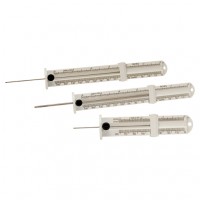
The test medium is placed in a specimen dish containing a replaceable stainless steel wear disc. As the dish rotates, an integral drive system turns a pin holder fitted with three replaceable high-grade brass pins in the opposite direction. The test material flows between the brass pins and the stainless steel disc, acting as the abrasive medium and gradually producing wear on the pins.
Compare the abrasiveness of different media
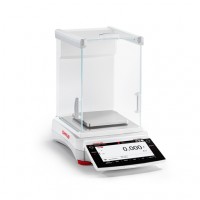
Abrasion is evaluated by measuring the weight loss of the brass pins after testing. Comparing this mass loss provides a quantitative method for evaluating the relative abrasion rates produced by different materials under controlled conditions. The brass pins may be used until approximately 25% of their initial weight has been removed, after which they should be replaced.
Adjustable loading for different materials
The standard load applied to the brass pins can be adjusted from 250 to 1000 g in 250 g increments using the supplied weight discs. Optional weights extend the maximum test load to 2500 g, allowing the system to accommodate media with different viscosities, particle concentrations and abrasive characteristics.
Adjustable pin-holder speed
Interchangeable gearing changes the rotational speed of the pin holder to suit different test media. The standard orange gearing is intended for most materials, while alternative gear configurations can provide faster or slower operation. Lower speeds may be appropriate for highly viscous or abrasive media, larger particles or higher specimen loads, while higher speeds can be useful for materials with low particulate concentrations.
Custom pins and wear discs
Custom pins and wear discs can be fabricated from materials representative of a specific application. This makes it possible to investigate how a test medium interacts with materials used in actual components and provides additional flexibility for comparative wear studies.
Testing particulate-containing fluids
When testing fluids containing suspended particles, the sample should be thoroughly mixed before testing. Because centrifugal forces can cause particles to migrate outward or separate during operation, the condition of the medium should be monitored and test parameters adjusted when necessary to maintain meaningful and repeatable conditions.

Do you have a question?
min 10 ch