Moisture Analyzers
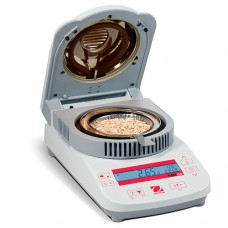
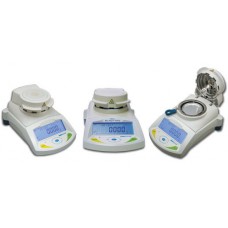
Moisture analyzers for quality control in the food and beverage sector. Discover our products from Ohaus, Sherwood, Adam Equipment and Sartorius.
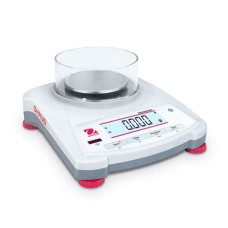
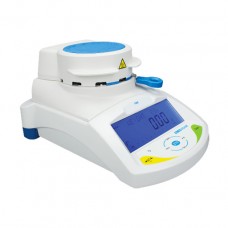
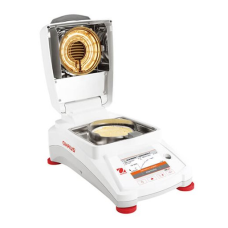
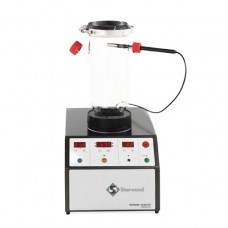
Choosing the right Analyzer for your project
Food & Ingredient Testing
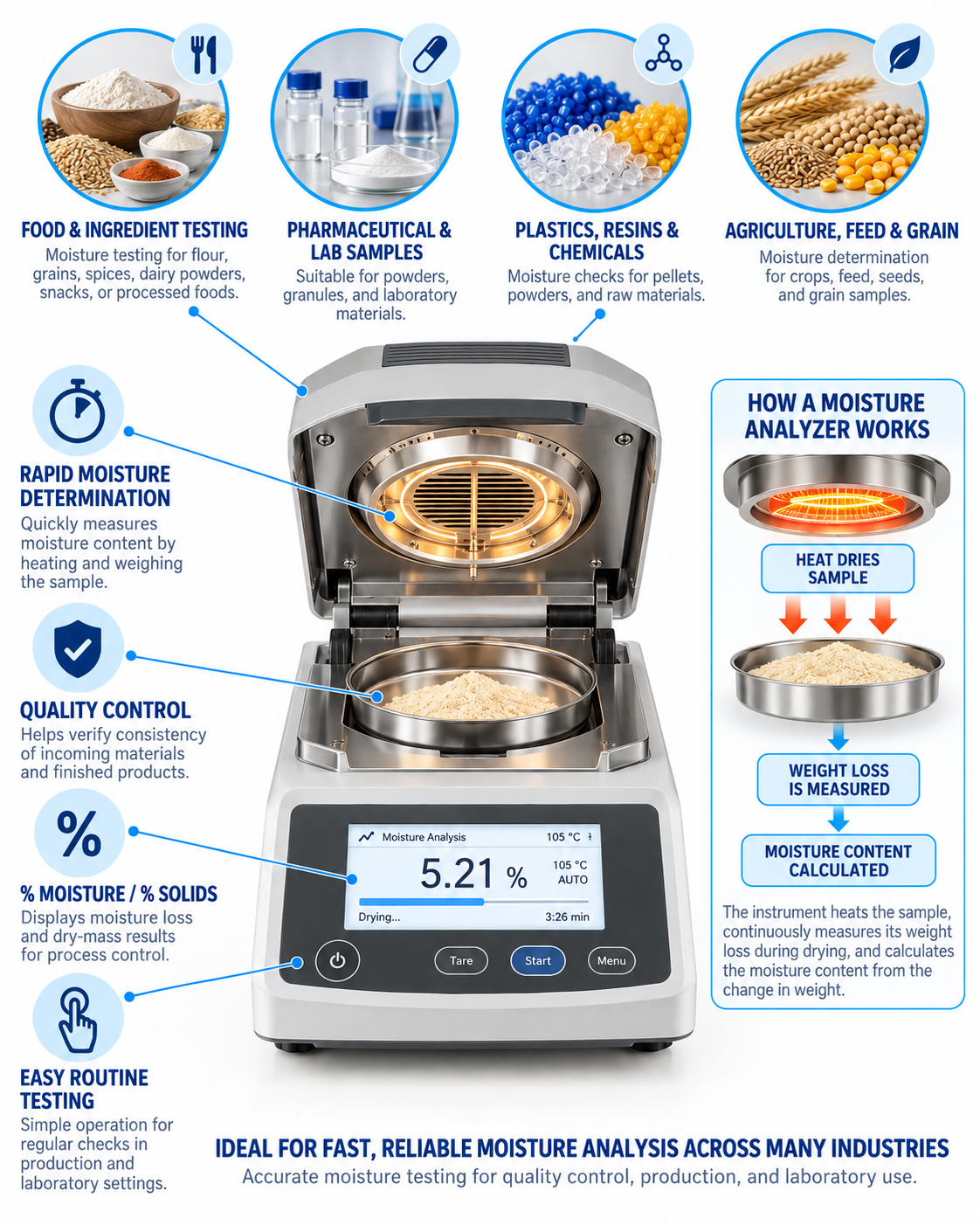
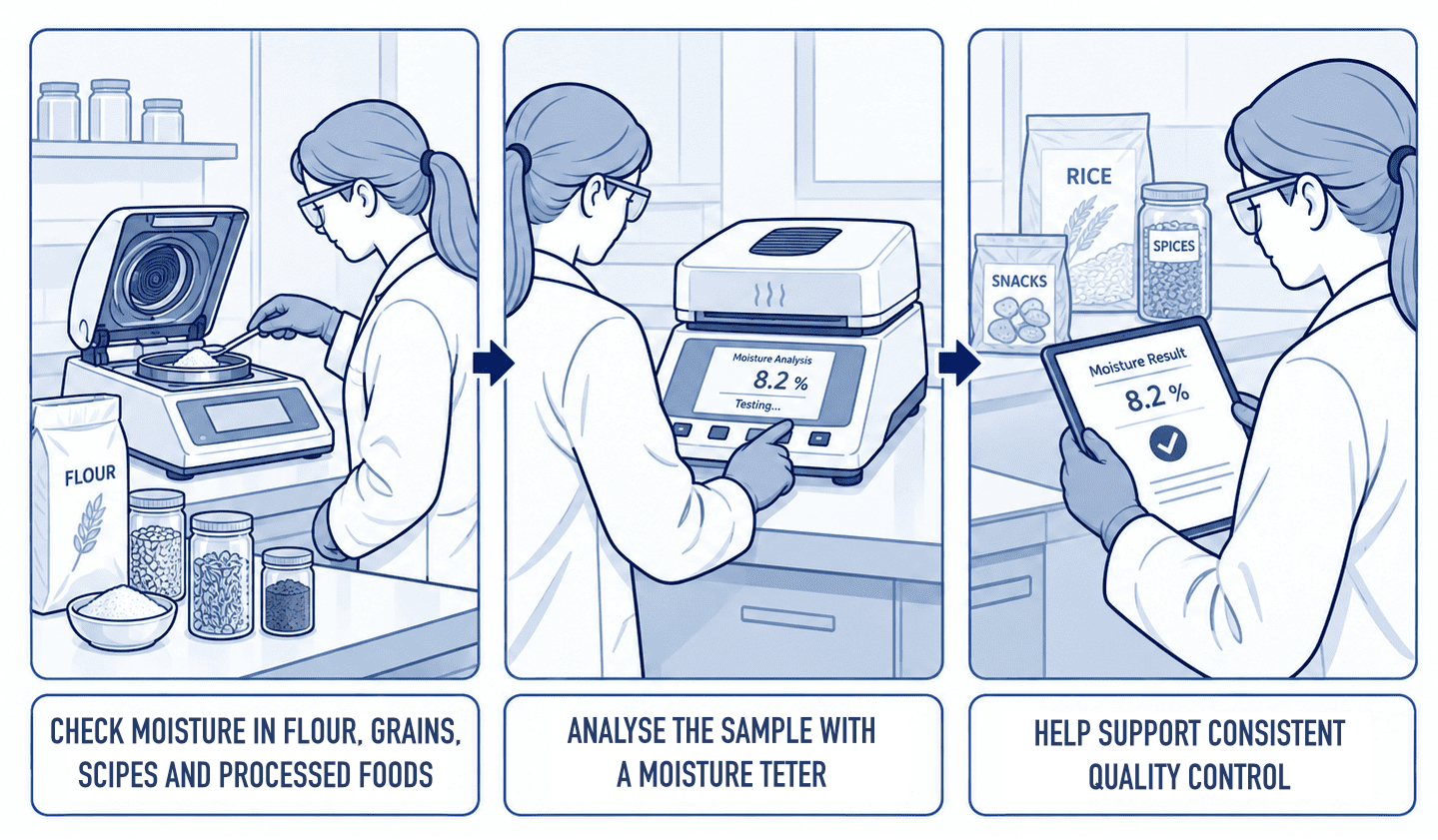
Moisture analyzers are widely used in food production and quality-control laboratories to determine the moisture content of ingredients and finished products. Typical samples include flour, grains, spices, dairy powders, snacks and processed foods. Regular moisture testing can help manufacturers monitor product consistency, storage stability and processing conditions while quickly identifying variations between batches.
Pharmaceutical & Laboratory Samples
Moisture analyzer balances are useful for testing powders, granules and other laboratory materials where moisture content must be monitored during development, production or quality-control procedures. By combining controlled heating with continuous weighing, the instrument can provide rapid moisture measurements without requiring a separate oven-drying and weighing process.
Plastics, Resins & Chemicals
Plastic pellets, resins, powders and chemical raw materials can contain moisture that affects processing and final product quality. A moisture analyzer provides a convenient way to check moisture levels before materials enter production. This can be especially useful for routine incoming-material inspection, process monitoring and verification of drying procedures.
Agriculture, Feed & Grain
Moisture determination is an important part of evaluating agricultural products such as grain, seeds, animal feed and crop samples. Excessive or inconsistent moisture can influence storage, handling and processing. Moisture analyzers allow laboratories and production facilities to perform rapid checks on representative samples and monitor changes in moisture content during drying or storage.
Rapid Moisture Determination
A moisture analyzer combines a precision balance with an integrated heating system to determine moisture content much faster than many traditional oven-drying methods. The sample is weighed while heat removes moisture, allowing the instrument to continuously monitor the change in mass. This makes moisture analyzers particularly useful for frequent testing and production environments where results are needed quickly.
Quality Control
Routine moisture analysis can help verify the consistency of incoming raw materials, intermediate products and finished goods. Comparing moisture results between batches can reveal variations that may affect processing, packaging or product performance. Moisture analyzer balances therefore provide a practical tool for quality-control laboratories that require repeatable moisture checks as part of their regular inspection procedures.
% Moisture and % Solids
Many moisture analyzers can present results as percentage moisture, percentage solids or dry-mass values, depending on the selected test method. These different result formats allow operators to evaluate how much moisture was removed from the sample and how much dry material remains. This information can be useful for process control, formulation checks and comparison with internal quality specifications.
Easy Routine Testing
Moisture analyzers are designed to simplify repetitive moisture testing by combining heating, weighing and result calculation in a single instrument. Operators typically place a prepared sample on the pan, select the appropriate drying method and start the analysis. This streamlined procedure makes the instruments well suited to routine testing in laboratories, quality-control departments and production environments.
Heat Dries the Sample
During analysis, the moisture analyzer applies controlled heat to the sample using its integrated heating system. As the sample temperature increases, moisture begins to evaporate. The drying temperature and method should be selected according to the characteristics of the material being tested so that moisture can be removed effectively without unnecessarily degrading the sample.
Weight Loss Is Measured
As moisture leaves the sample during heating, the integrated balance continuously monitors the resulting decrease in sample weight. This real-time weighing allows the instrument to follow the drying process and determine when the rate of weight change has reached the selected endpoint. Accurate weighing is therefore a central part of the moisture-analysis process.
Moisture Content Is Calculated
Once sufficient moisture has been removed and the drying endpoint has been reached, the analyzer calculates the moisture content from the difference between the sample's initial and final weight. The result is typically displayed directly as a moisture percentage or dry-matter value, providing an immediate result without requiring separate manual calculations.
Fast, Reliable Moisture Analysis Across Many Industries
Moisture analyzer balances provide a practical solution for rapid moisture testing across food, pharmaceutical, chemical, plastics, agricultural and general laboratory applications. By combining sample heating, precision weighing and automatic calculation in one instrument, they can simplify routine moisture determination and support consistent quality-control and production procedures.