

Conductivity & Salinity Meters
Water analysis conductimeters and salinometers for the field or laboratory. Horiba, Thermo Orion and many more.

How to Choose a Conductivity & Salinity Meter: 4 Key Considerations
1. The Expected Conductivity of the Sample
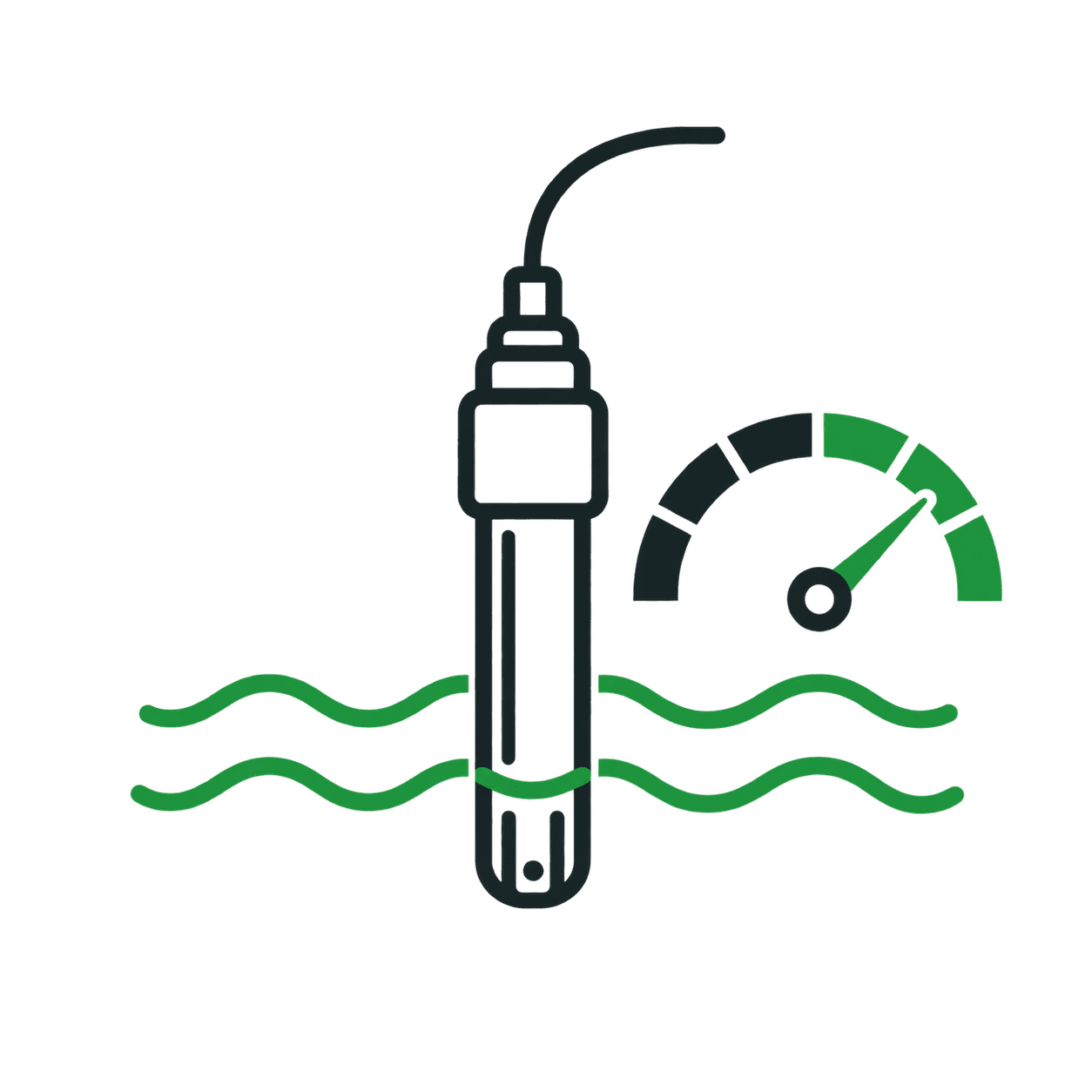
Two-electrode conductivity probes are commonly used for clean, relatively low-conductivity samples and are available with different cell constants for specific ranges. Four-electrode or four-ring probes are better suited to wider measurement ranges and higher-conductivity samples because their design reduces polarization effects. Always verify that the selected probe covers the conductivity range expected in your application.
2. Consider Temperature Compensation and Reference Temperature
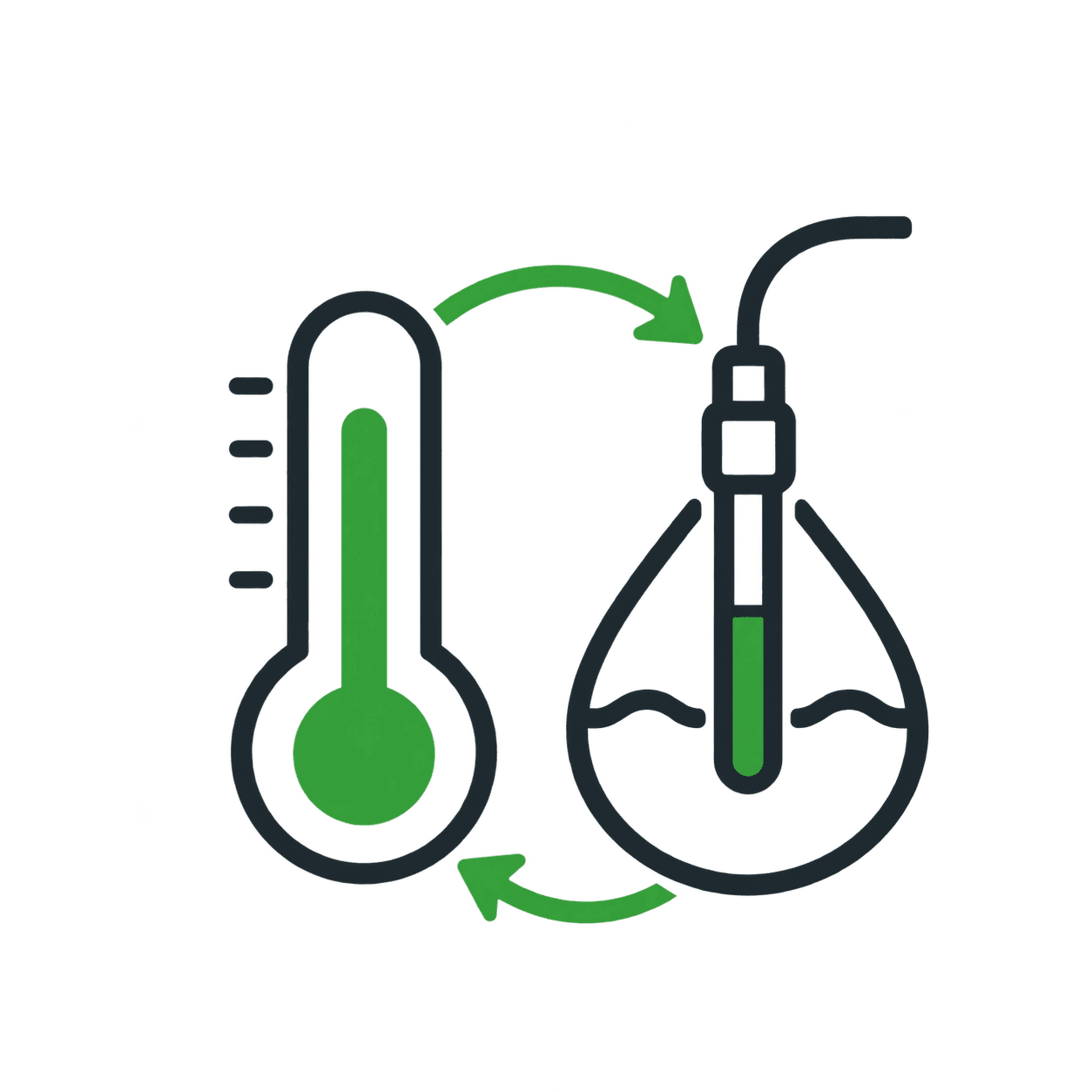
Comparing measurements requires appropriate temperature compensation. Many meters provide automatic temperature compensation using a temperature sensor, while advanced instruments may offer adjustable linear coefficients and specialized non-linear modes for natural water or high-purity water. Also check the available reference temperatures, commonly 20°C or 25°C, and select the compensation method required by your application or test method.
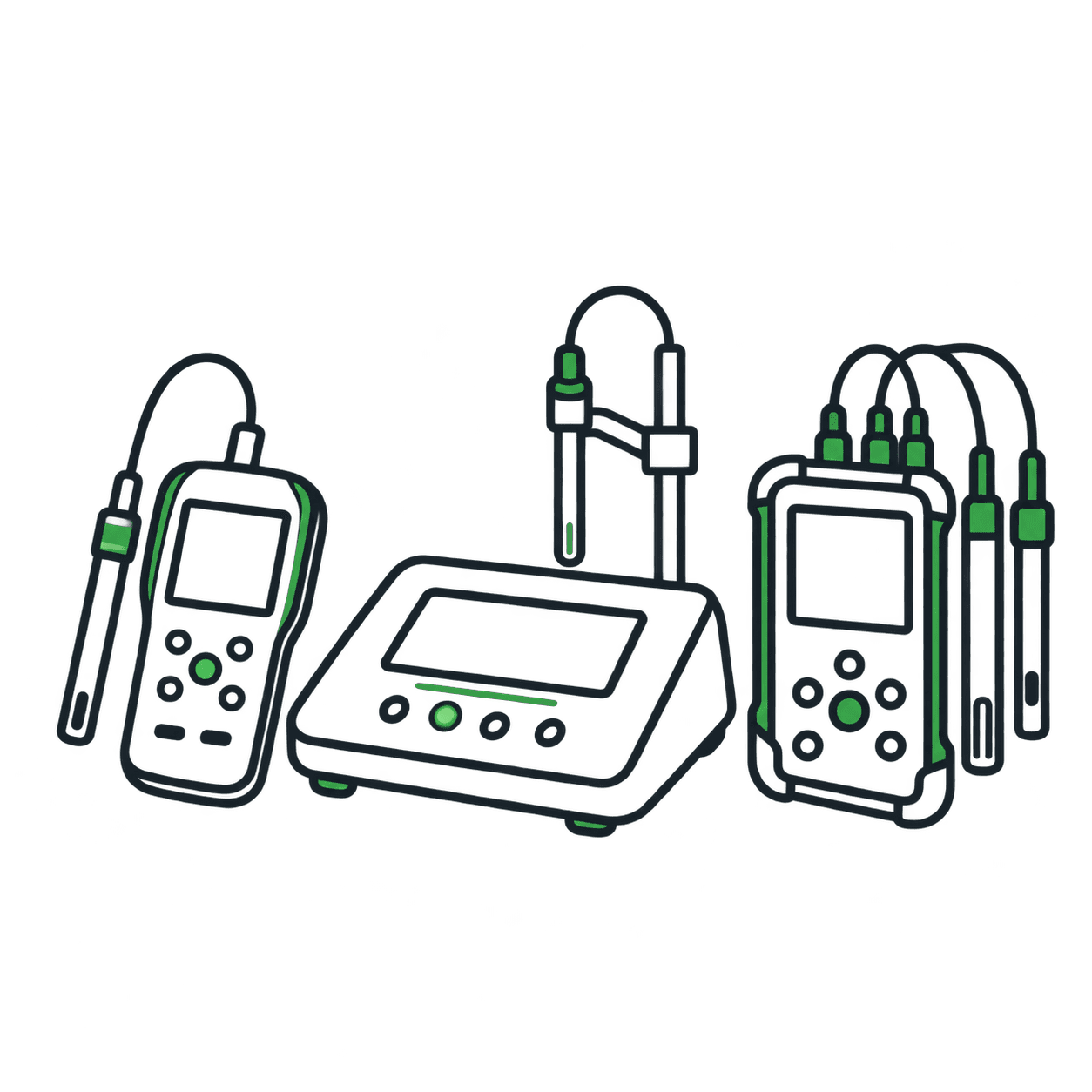
3. Portable, Benchtop or Multiparameter?
Portable waterproof meters are well suited to environmental monitoring, water treatment, aquaculture and other field applications. Benchtop instruments provide a stable laboratory setup and may offer wider ranges, electrode stands, advanced calibration, graphical displays and more extensive data management. Pocket testers are convenient for quick routine checks, while multiparameter meters can reduce the number of instruments required when several water-quality parameters must be measured at the same location.
4. Check Calibration, Data Management and Method Requirements
Conductivity meters should be calibrated using standards appropriate to the expected measurement range. For routine testing, simple one-point calibration may be sufficient, while advanced meters can support multiple calibration points, stored calibration histories and automatic data logging. Applications involving pharmaceutical or high-purity water may also require specific temperature-compensation modes or compliance with methods such as USP or EP, so these requirements should be confirmed before selecting an instrument.