Ovens / Drying & Heating Chambers
Laboratory ovens, drying ovens and heating chambers provide controlled-temperature environments for drying, heating, conditioning and other thermal processes in laboratories and quality-control facilities. Depending on the application, models are available with natural or gravity convection, forced-air convection, vacuum operation and programmable temperature control.
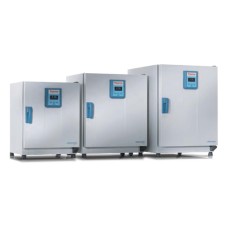
Geneq offers laboratory ovens and heating chambers from manufacturers including BINDER, SHEL LAB, Thermo Scientific, Carbolite and Quincy Lab. Available configurations range from compact benchtop ovens to large-capacity chambers for higher sample volumes, with different temperature ranges, chamber capacities, airflow systems and control options.
Compare Laboratory Ovens, Drying & Heating Chambers
| TYPE | PRIMARY PURPOSE | TYPICAL APPLICATIONS | CHOOSE IT WHEN |
|---|---|---|---|
| Drying Oven | Drying and controlled heating | Samples, glassware, materials and routine laboratory drying | You need dependable general-purpose drying or heating at controlled temperatures |
| Heating Chamber | Controlled thermal treatment | Heating, conditioning, thermal testing and material preparation | Your process requires stable, controlled heating rather than primarily moisture removal |
| Forced-Convection Oven | Rapid, uniform heat distribution | Drying, conditioning and thermal testing of multiple samples | Temperature uniformity and faster heat transfer throughout the chamber are important |
| Natural-Convection Oven | Gentle heating without forced airflow | Routine drying and heating of samples sensitive to strong air movement | You prefer gentle convection and do not require fan-assisted air circulation |
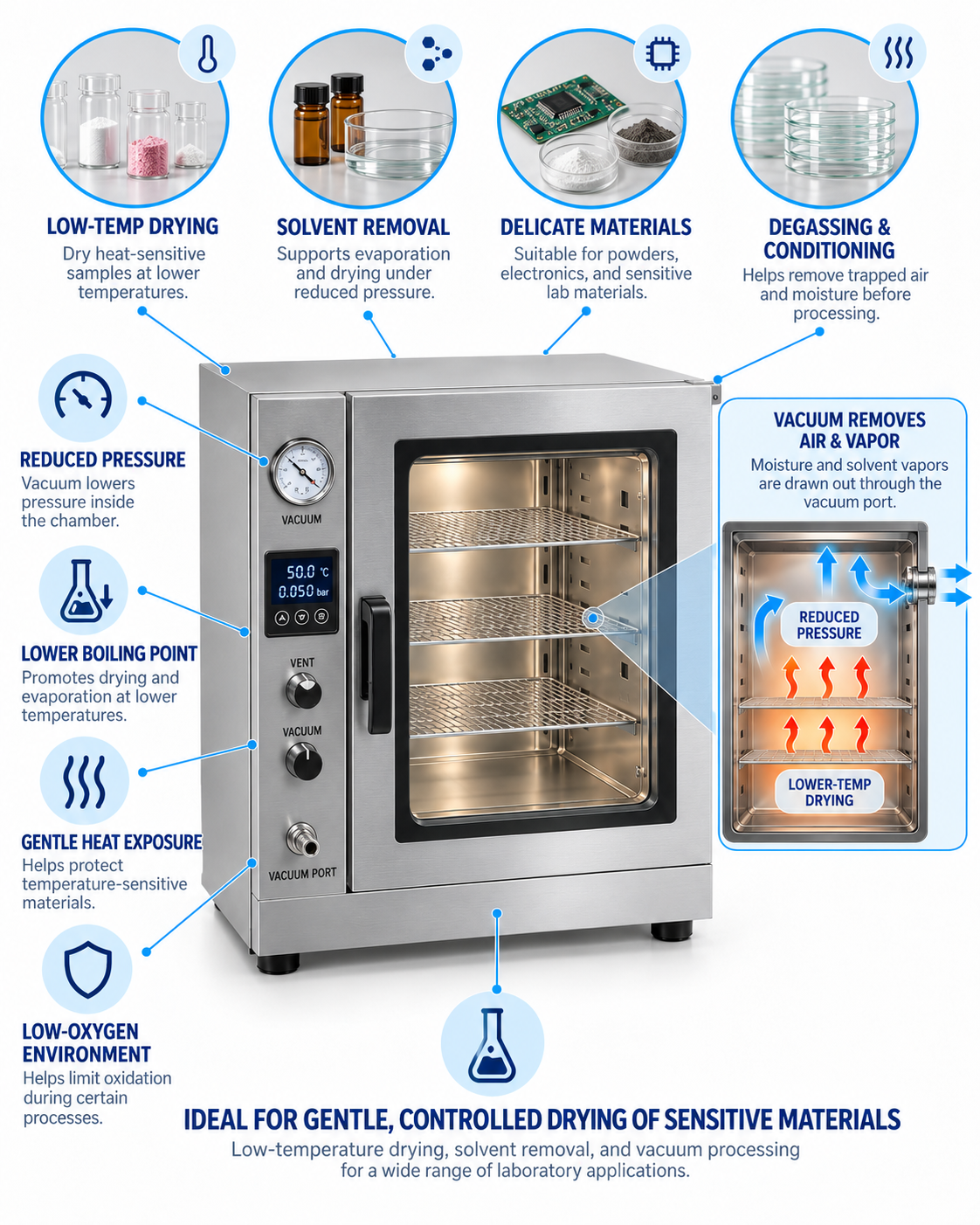
| Vacuum Drying Oven | Drying under reduced pressure | Heat-sensitive materials and samples requiring controlled vacuum drying | You need to remove moisture or solvents while reducing thermal stress on the sample |
| Safety Drying Oven | Controlled drying with enhanced safety provisions | Applications involving samples that may release potentially hazardous vapours | The materials being dried require additional safety considerations beyond a standard laboratory oven |
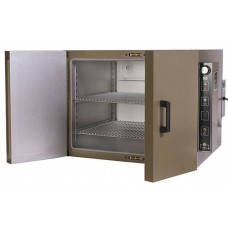
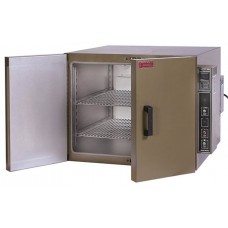
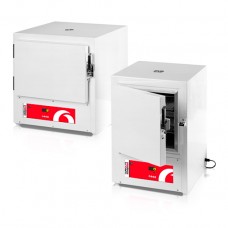
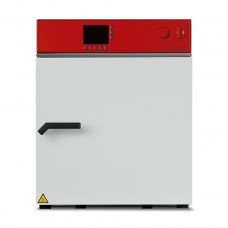
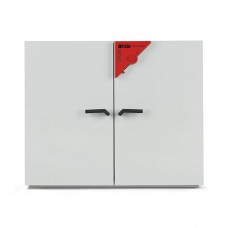




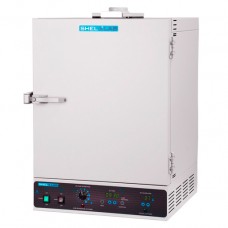
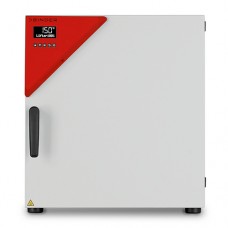
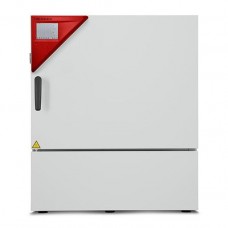
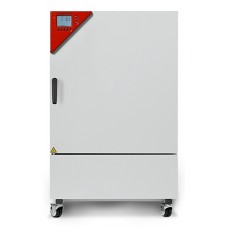
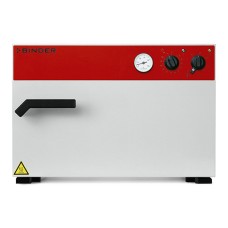
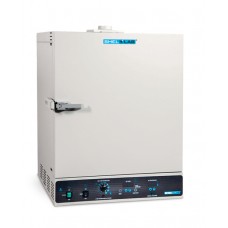
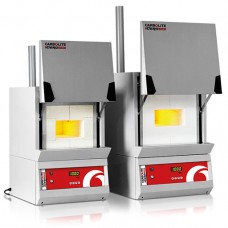
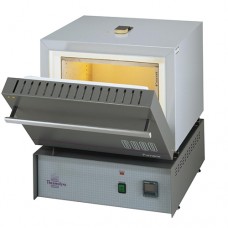
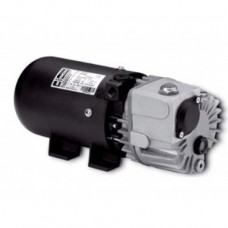
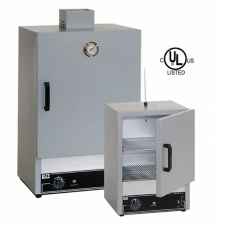
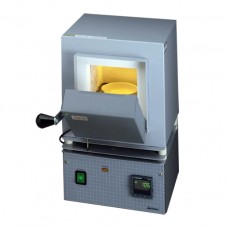
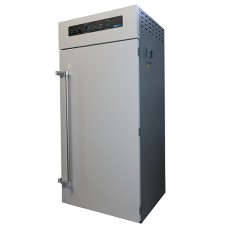

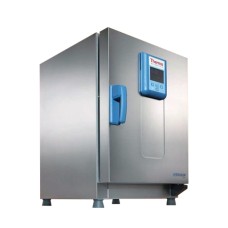
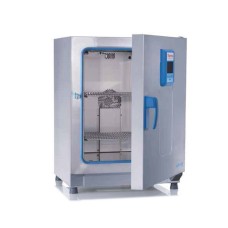
How to Choose a Laboratory Oven or Drying Chamber
The appropriate laboratory oven depends on the material being processed, required temperature range, chamber size, airflow and the level of temperature control required. Comparing these factors helps determine whether a gravity convection, forced-air or vacuum oven is most appropriate.
Natural or Gravity Convection Ovens
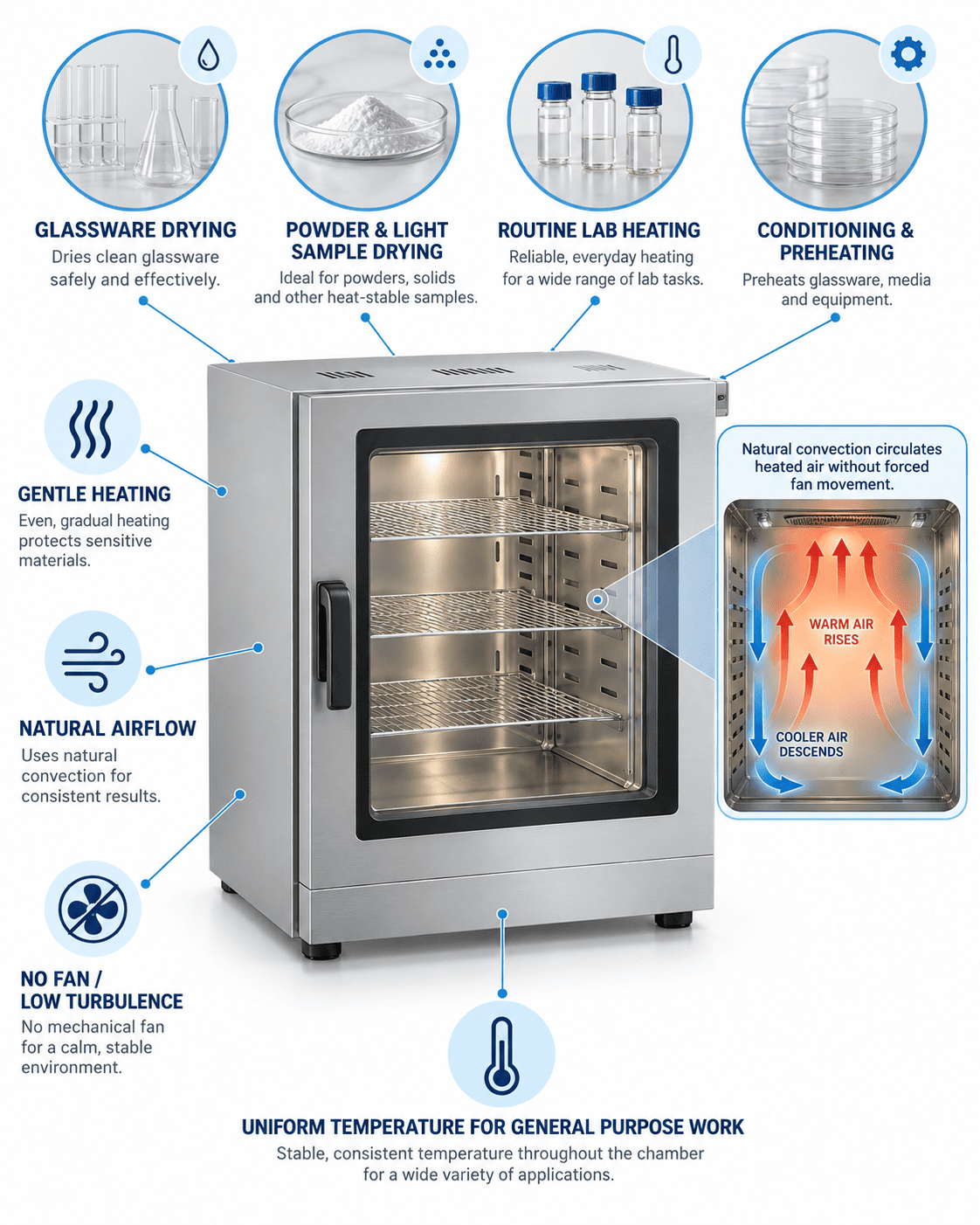
Natural convection ovens circulate heated air without a fan, producing relatively gentle airflow inside the chamber. They can be useful when samples, powders or lightweight materials should not be disturbed by strong air movement.
Forced-Air or Mechanical Convection Ovens
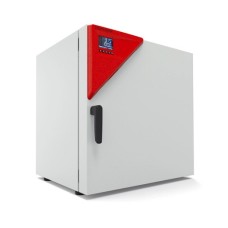
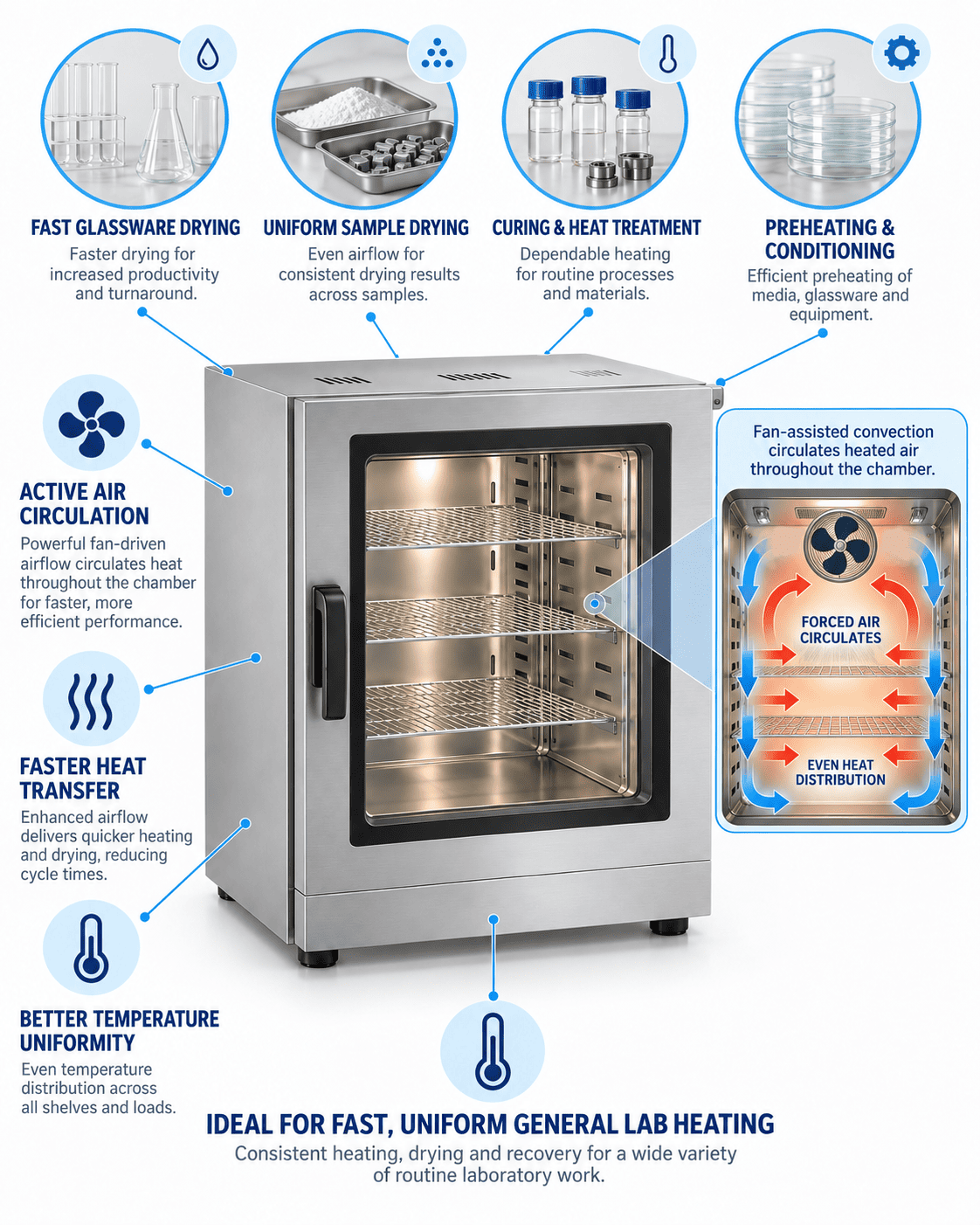
Forced-convection ovens use a fan to circulate heated air throughout the chamber. This promotes more uniform temperature distribution and can provide faster heating and drying, making these ovens useful for applications where consistent thermal conditions across the chamber are important.
Vacuum Ovens
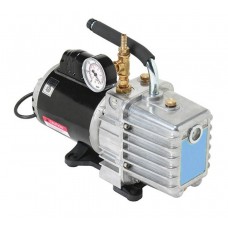
Vacuum ovens combine controlled heating with reduced pressure and are commonly selected for gentle drying processes, including applications involving heat-sensitive materials. When selecting a vacuum oven, consider the required operating temperature, vacuum range, chamber capacity and compatibility with the material being processed.