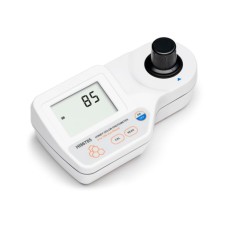
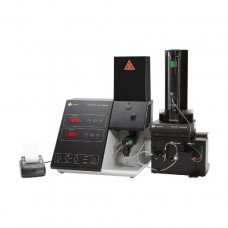
Colorimeters / Spectrophotometers
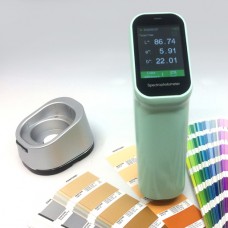
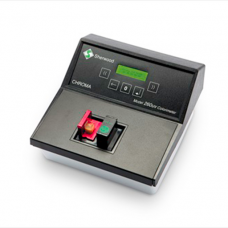
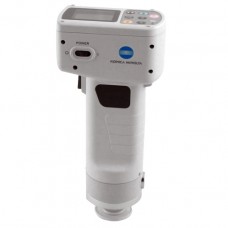
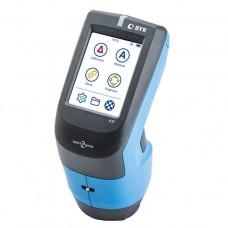
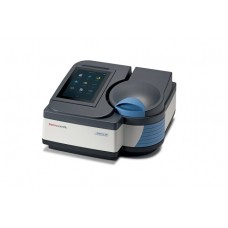
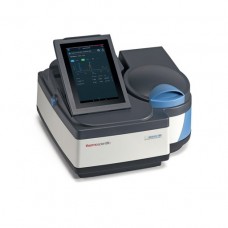
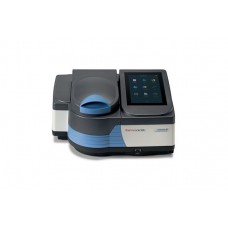
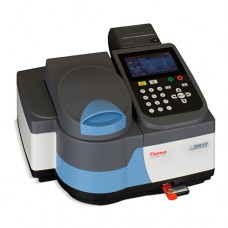
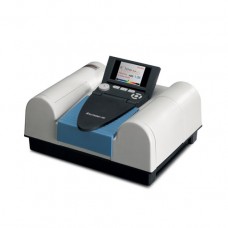
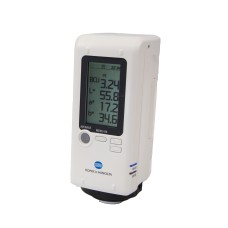
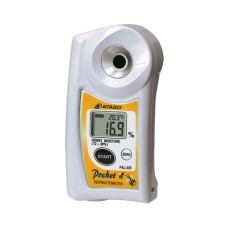
Colorimeters and spectrophotometers for quality control of food and beverages. Discover our products from BYK, Thermo Scientific, Hach, Hanna and Sherwood.
Did You Know?
Two food products that appear to have virtually the same color under one type of lighting can look noticeably different under another. This phenomenon, known as metamerism, is one reason why an instrumental color match under a single illuminant does not necessarily predict appearance under every viewing condition. Spectrocolorimeters can use different illuminants and observer conditions to help evaluate these color differences more objectively.
Why is 45°/0° measurement geometry important for food products?
The illumination and viewing geometry determines how an instrument handles light reflected from the surface. A 45°/0° configuration can measure color while limiting the influence of direct specular reflection. Measurement geometry can therefore be important when comparing products whose surfaces have different levels of gloss.
Why can two instruments give different color values for the same sample?
Results can differ when instruments use different optical geometries, illuminants, observer settings, measurement apertures or calculation methods. When comparing measurements between instruments, production sites or suppliers, it is therefore important to standardize the measurement conditions and settings rather than comparing numerical values alone.
What ΔE color difference is actually visible to the human eye?
There is no single ΔE threshold that applies to every product. Perception of a color difference depends on factors such as the color itself, surface texture, gloss, viewing conditions and the ΔE formula being used. Instrumental tolerances should therefore be established for the specific product and the visually acceptable difference rather than relying on an arbitrary universal ΔE value.
Why does measurement aperture matter for non-uniform food products?
For products with natural color variation, such as cereals, baked goods or certain meats, a very small measurement area may not adequately represent the entire sample. A larger aperture or multiple measurements at different locations can provide a more representative assessment of average product color. Sampling procedures should therefore take product uniformity into account.
Why measure color and gloss separately?
Two surfaces can have similar colorimetric values while appearing different because of their gloss. Changes in formulation, processing or surface condition may affect gloss without producing an equivalent change in measured color. Measuring these properties separately can provide a more complete characterization of the product's visual appearance.