

Microbiology
Microbiology instruments for quality control in the food and beverage domain. Discover our microscopes, slides, cover glass as well as our sampling instruments.
Comparison of Surface Hygiene and Allergen Testing Methods
| TEST TYPE | BEST SUITED FOR | WHAT IT DETECTS | KEY ADVANTAGE | KEY CONSIDERATION |
|---|---|---|---|---|
| Surface ATP Test | Rapid, routine verification of cleaning effectiveness | ATP present in organic and biological residues | Provides rapid measurements for monitoring hygiene trends | Not a specific test for a particular microorganism or allergen |
| Protein Residue Test | Verifying cleaning after production or product changeovers | Protein residues remaining on surfaces | Simple, rapid method that does not necessarily require an instrument | Indicates the presence of protein without identifying a specific allergen |
| Specific Allergen Rapid Test | Targeted testing for gluten, milk, egg, peanut, tree nuts and other allergens | Specific protein or allergen depending on the test kit | Directly tests for the allergen of concern rather than a general cleanliness indicator | Select the test according to the allergen, sample matrix, required sensitivity and sample type |
| Rapid Microbiological Test | Monitoring indicator organisms or microbial groups | E. coli, coliforms, Enterobacteriaceae, total viable count or other targets depending on the test | Enables targeted microbiological monitoring of processes and environments | Target organism, incubation requirements, detection limit and time to result |
| Environmental Pathogen Test | Monitoring production areas for organisms such as Listeria or Salmonella | Organism or group targeted by the specific test | Provides targeted screening within an environmental monitoring program | Incubation time, sampling plan and confirmation of presumptive results |
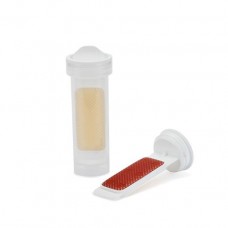
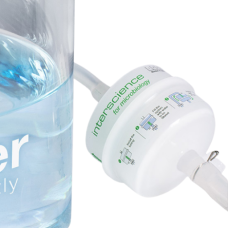
| Swab / Sampling Device | Collection and transport of samples from surfaces and production environments | Does not perform the test itself; collects the sample for subsequent analysis | Supports standardized sampling for microbiological or hygiene testing | Sampling area, microorganism recovery, sanitizer neutralization and intended analytical method |




Did You Know?
A negative microbiological result does not necessarily mean that a microorganism is absent from an entire food lot. Microbial contamination can be highly heterogeneous, with organisms concentrated in localized areas rather than evenly distributed throughout the product. The amount of material sampled, how representative the sample is, and how effectively it is homogenized can therefore have a major influence on the probability of detecting low-level contamination. Increasing analytical sensitivity alone cannot compensate for a sample that does not adequately represent the lot being tested.
Why use a gravimetric diluter instead of preparing dilutions manually?
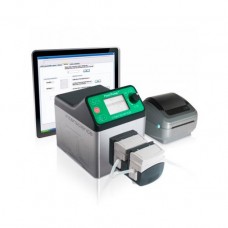
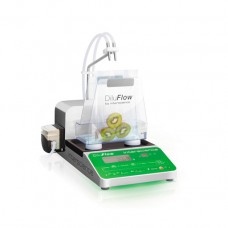
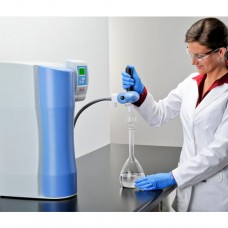
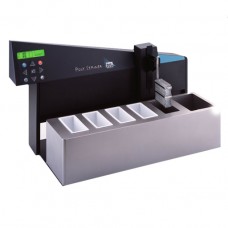
A gravimetric diluter automatically adjusts the amount of diluent according to the actual weight of the sample. This makes it possible to obtain the required dilution ratio even when the sampled weight differs slightly from the theoretical value. It can also reduce repetitive handling when processing large numbers of samples.
Why does sample homogenization affect microbiological results?
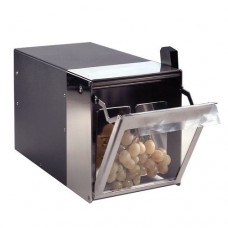
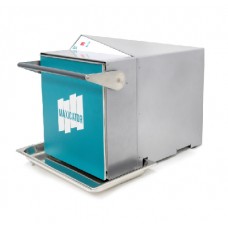
Microorganisms are not necessarily distributed uniformly throughout a food sample. Insufficient homogenization can therefore produce a suspension that does not adequately represent the original sample. Paddle homogenizers mix the sample and diluent inside a sterile bag without direct contact between the sample and the instrument.
When can spiral plating reduce the number of dilutions required?
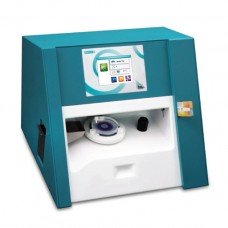
Spiral plating distributes a decreasing amount of sample suspension across the surface of an agar plate according to a controlled pattern. Depending on the method and expected microbial concentration, this technique can allow enumeration across a range of concentrations while requiring fewer dilutions, Petri dishes and handling steps than conventional plating.
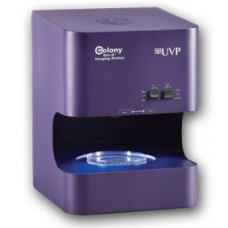
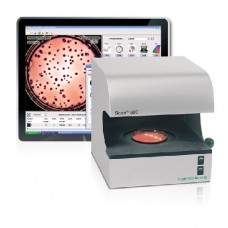
Why automate colony counting?
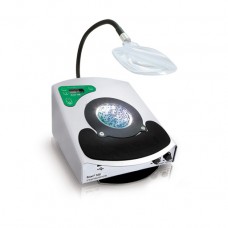
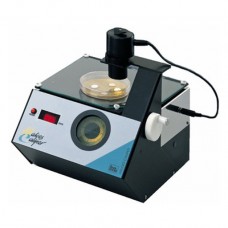
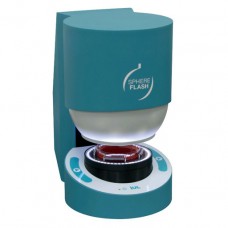
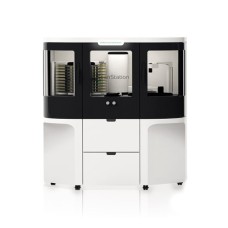
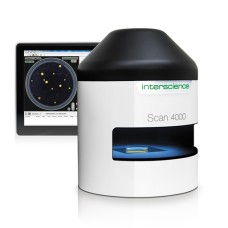
When large numbers of plates must be analyzed, manual counting becomes repetitive, and results can be influenced by colony density, size or contrast. Automated colony counters use imaging and detection parameters to standardize enumeration and can also facilitate result recording and traceability.
When is an anaerobic workstation preferable to closed-container anaerobic incubation?
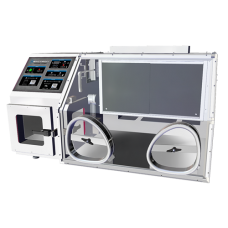
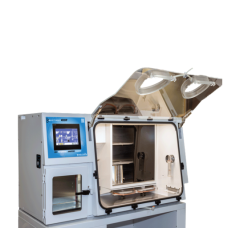
An anaerobic workstation allows cultures to be handled, inoculated and examined in a controlled atmosphere without exposing them to oxygen between processing steps. It can be particularly useful when anaerobic work is frequent, when multiple samples must be processed or when the microorganisms being studied are especially sensitive to oxygen exposure.