


Thermometers / Data Loggers
Thermometers and data loggers for the food industry. Discover our products from Traceable Products, Tempsen, MadgeTech, TandD, Hanna, and DeltaTrak.
Comparison of Thermometers and Temperature Data Loggers
| INSTRUMENT TYPE | BEST SUITED FOR | MEASUREMENT METHOD | KEY ADVANTAGE | KEY CONSIDERATION |
|---|---|---|---|---|
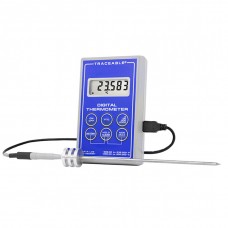
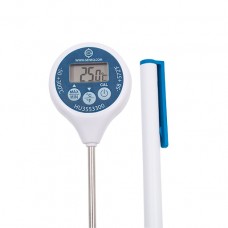
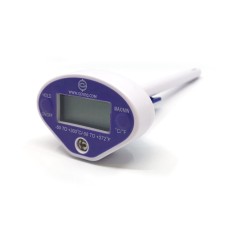
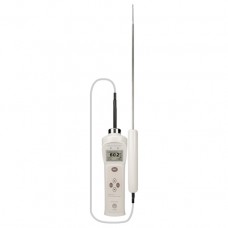
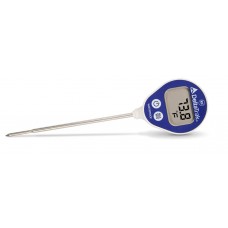
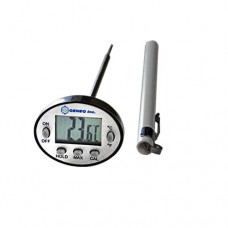
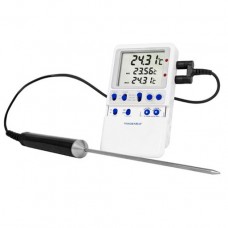
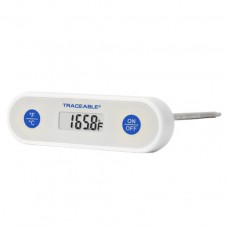
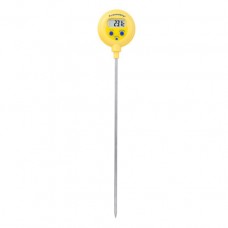
| Digital Probe Thermometer | Spot checks of foods, liquids and processes | Direct-contact temperature measurement | Fast, simple measurement at a specific point | Probe design, response time, accuracy and required temperature range |
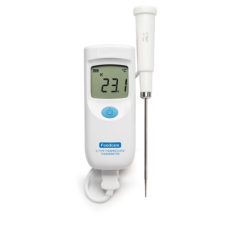
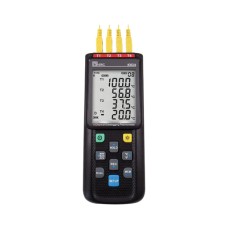
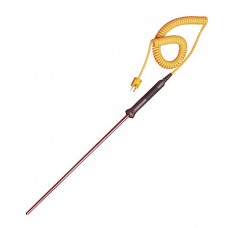
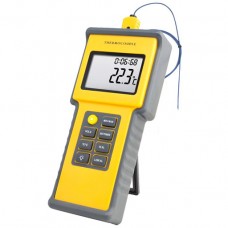
| Thermocouple Thermometer | Applications requiring interchangeable probes or wide temperature ranges | Contact measurement using a thermocouple probe | Different probes can be selected for penetration, surface, air or high-temperature measurements | Thermocouple type, probe compatibility and application-specific probe design |
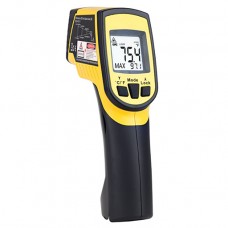
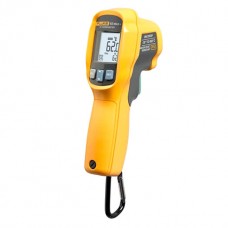
| Infrared Thermometer | Rapid non-contact surface temperature checks | Infrared measurement of surface temperature | Measures temperature without touching the product | Measures surface rather than internal temperature; emissivity and distance-to-spot ratio matter |
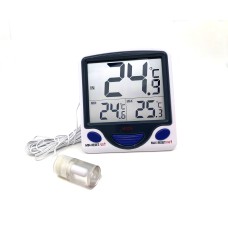
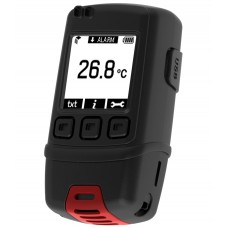
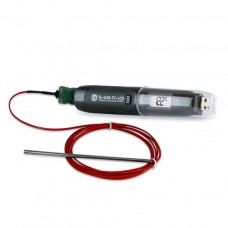
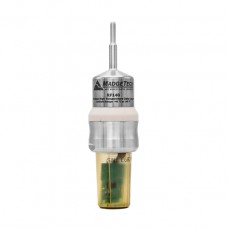
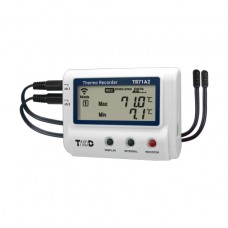
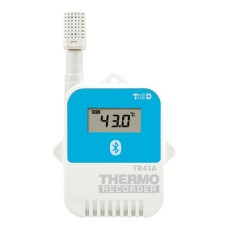
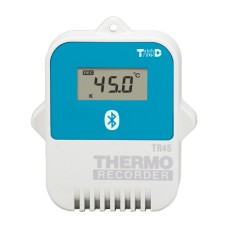
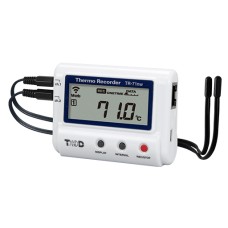
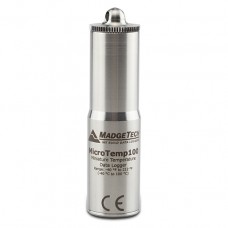
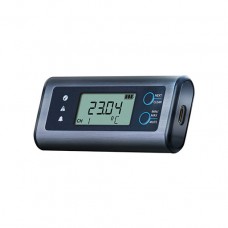
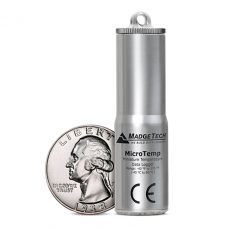
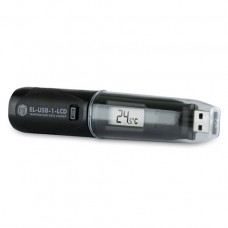
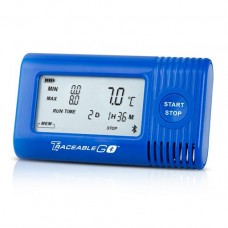
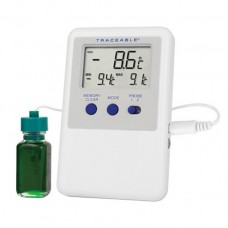
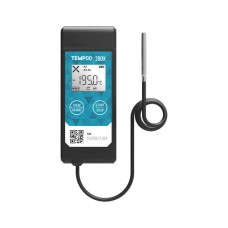
| Standalone Data Logger | Storage, processing, equipment and environmental monitoring | Automatic temperature recording at programmed intervals | Creates a temperature history without continuous operator involvement | Memory capacity, logging interval, sensor type, battery life and data retrieval method |
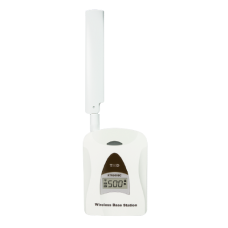
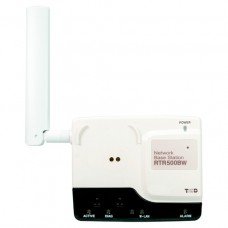
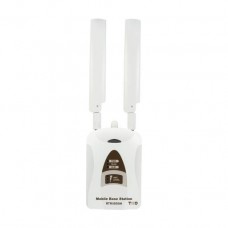
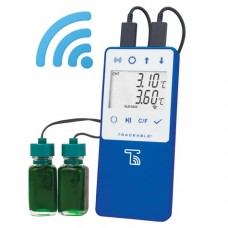
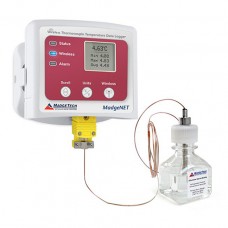
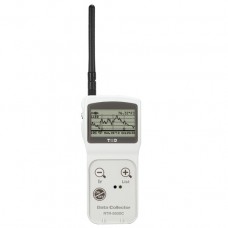
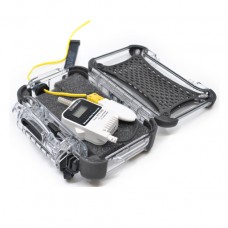
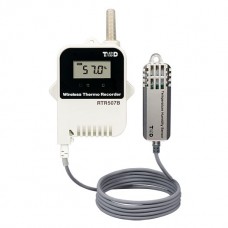
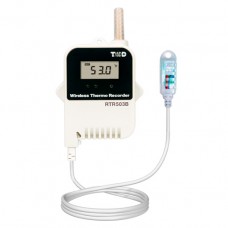
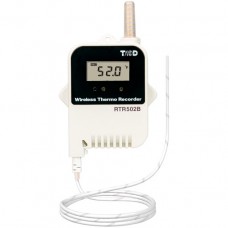
| Wireless / Remote Data Logger | Facilities requiring centralized or remote temperature monitoring | Automatic logging with wireless transmission of recorded or real-time data | Allows multiple monitoring points to be checked without visiting each logger | Communication range, network requirements, alarm functions and software compatibility |
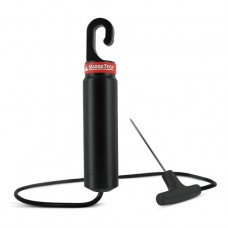
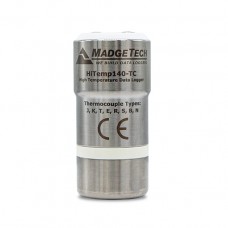
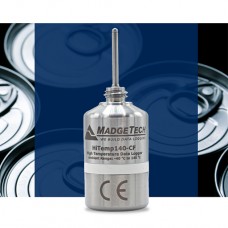
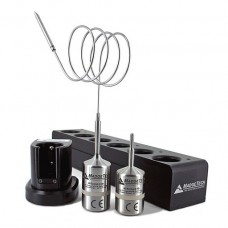
| High-Temperature Data Logger | Cooking, pasteurization, sterilization and thermal-process validation | Continuous temperature recording during a thermal process | Documents temperature exposure throughout the process rather than at a single moment | Operating temperature, sensor location, waterproofing and required accuracy |
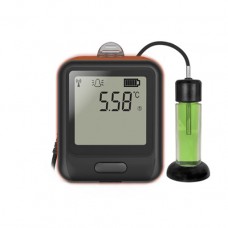
| Transport / Cold-Chain Logger | Refrigerated storage, shipping and temperature-sensitive products | Continuous temperature recording during storage or transport | Reveals temperature excursions that may occur between departure and destination | Alarm limits, trip duration, reporting format, connectivity and calibration requirements |

How to Choose a Thermometer or Temperature Data Logger: 4 Essential Criteria
1. Determine the Temperature Range and Measurement Type
Start by defining the temperatures you need to measure and how the measurement will be taken. Probe thermometers are suitable for contact or penetration measurements, while infrared models allow non-contact checks. For wider temperature ranges, some instruments use thermocouples, including Type K probes. Always make sure the measuring range and probe type are appropriate for your application.
2. Choose the Required Accuracy and Calibration Level
The required accuracy depends on the level of control needed for your application. Some thermometers provide Min/Max functions or allow calibration adjustment, while reference models may be supplied with calibration certificates and higher accuracy. For refrigerator, freezer, vaccine or other temperature-sensitive monitoring applications, also consider temperature alarms and traceability requirements.
3. Decide Between Spot Measurement and Continuous Recording
A portable thermometer is suitable for quick, occasional temperature checks. A temperature data logger is preferable when measurements need to be recorded over several hours, days or stages of a process. Depending on the model, data may be stored in internal memory, viewed directly on the instrument or transferred for further analysis.
4. Compare Communication Options and Operating Conditions
Available models use different communication methods, including USB, Bluetooth, Wi-Fi, local network connections or wireless transmission to a base unit. For food-processing, humid or demanding environments, also consider water resistance, probe construction and operating temperature range. Systems with remote monitoring and alarm functions can be especially useful when temperatures must be tracked continuously.