Thermometers / Data Loggers
How to Choose a Thermometer or Temperature Data Logger: 4 Essential Criteria
1. Determine the Temperature Range and Measurement Type
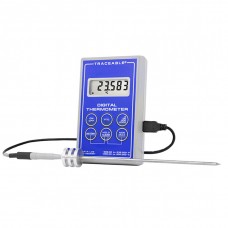
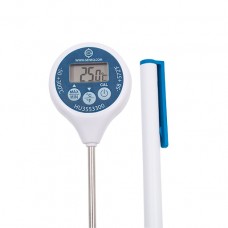
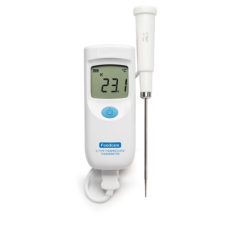
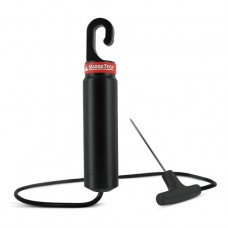
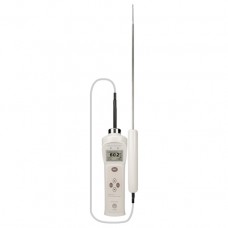
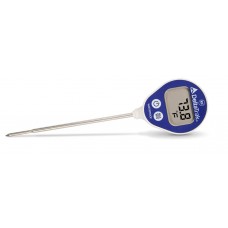
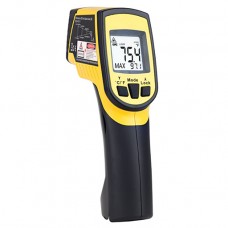
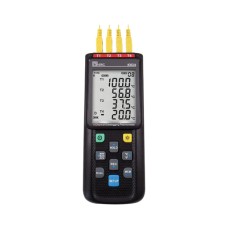
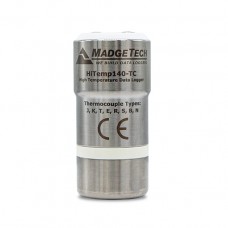
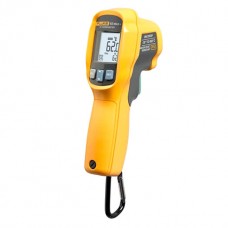
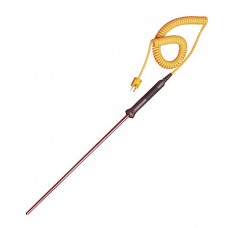
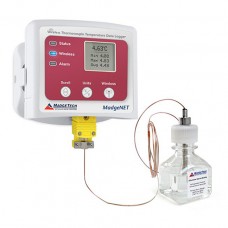
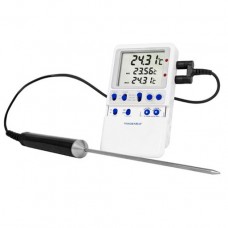
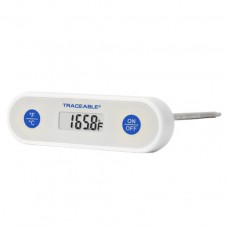
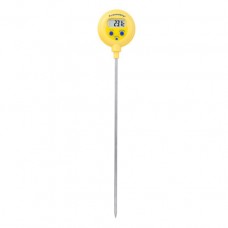
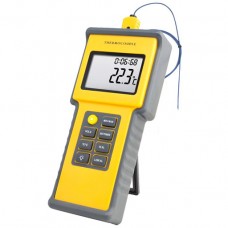
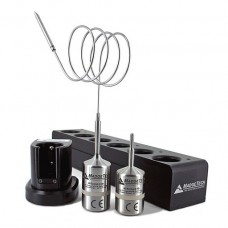
Start by defining the temperatures you need to measure and how the measurement will be taken. Probe thermometers are suitable for contact or penetration measurements, while infrared models allow non-contact checks. For wider temperature ranges, some instruments use thermocouples, including Type K probes. Always make sure the measuring range and probe type are appropriate for your application.
2. Choose the Required Accuracy and Calibration Level
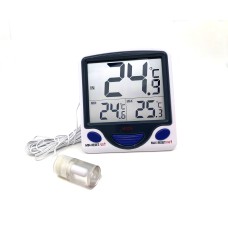
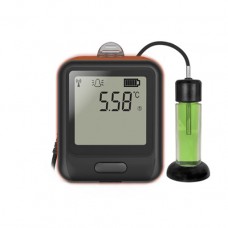
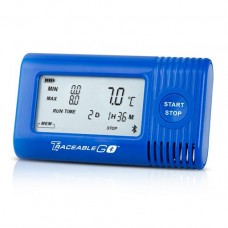
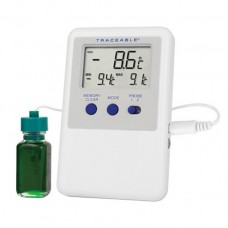
The required accuracy depends on the level of control needed for your application. Some thermometers provide Min/Max functions or allow calibration adjustment, while reference models may be supplied with calibration certificates and higher accuracy. For refrigerator, freezer, vaccine or other temperature-sensitive monitoring applications, also consider temperature alarms and traceability requirements.
3. Decide Between Spot Measurement and Continuous Recording
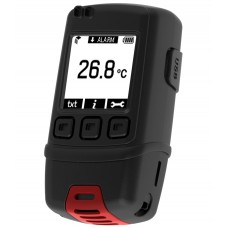
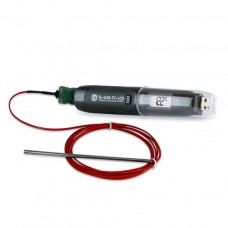
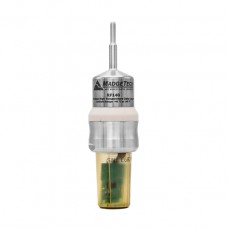
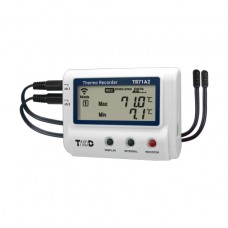
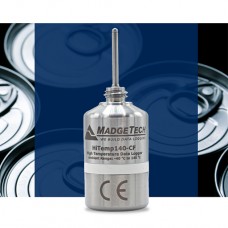
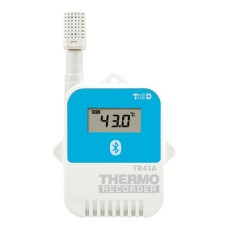
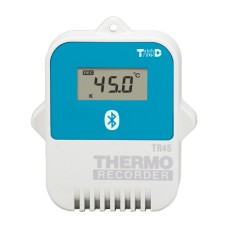
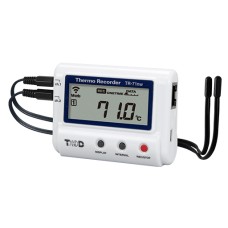
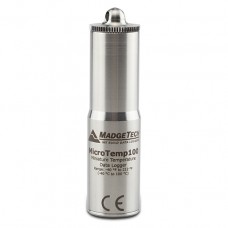
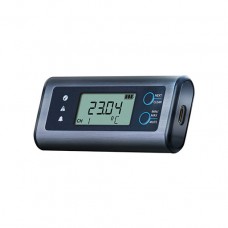
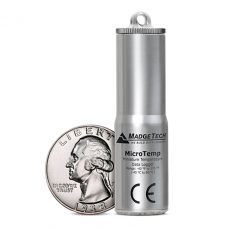
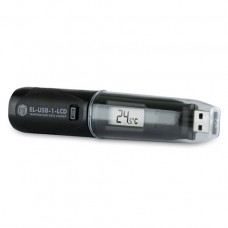
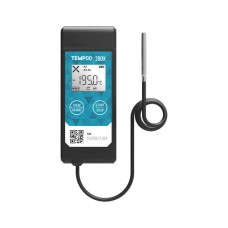
A portable thermometer is suitable for quick, occasional temperature checks. A temperature data logger is preferable when measurements need to be recorded over several hours, days or stages of a process. Depending on the model, data may be stored in internal memory, viewed directly on the instrument or transferred for further analysis.
4. Compare Communication Options and Operating Conditions
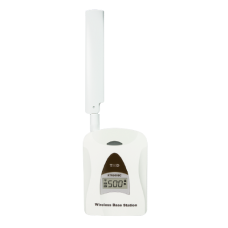
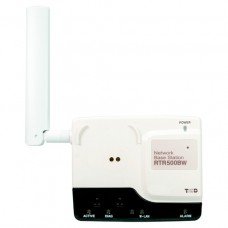
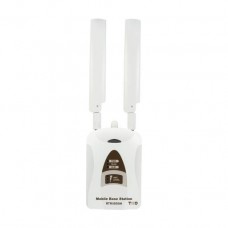
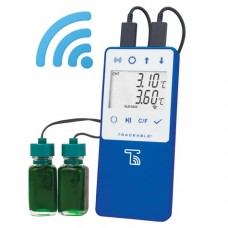
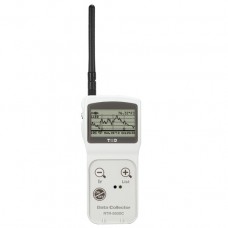
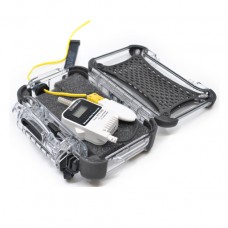
Available models use different communication methods, including USB, Bluetooth, Wi-Fi, local network connections or wireless transmission to a base unit. For food-processing, humid or demanding environments, also consider water resistance, probe construction and operating temperature range. Systems with remote monitoring and alarm functions can be especially useful when temperatures must be tracked continuously.