

Surface Hygiene / Allergens
Surface hygiene and allergens instruments for quality control. Prevention surface test for salmonella, listeria, gluten and ATP surface sanitation monitoring.
Comparison of Surface Hygiene and Allergen Testing Methods
| TEST TYPE | BEST SUITED FOR | WHAT IT DETECTS | KEY ADVANTAGE | KEY CONSIDERATION |
|---|---|---|---|---|
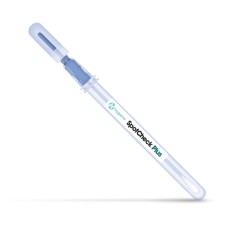
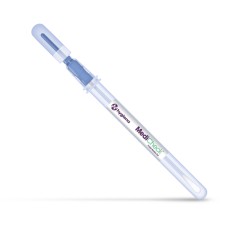
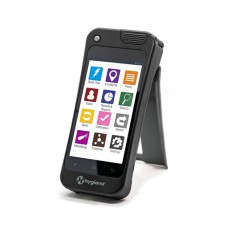
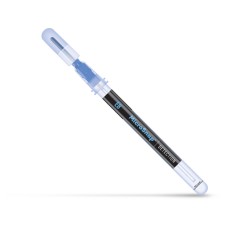
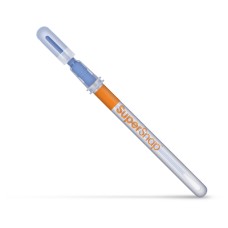
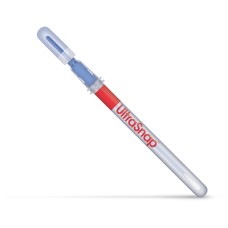
| Surface ATP Test | Rapid, routine verification of cleaning effectiveness | ATP present in organic and biological residues | Provides rapid measurements for monitoring hygiene trends | Not a specific test for a particular microorganism or allergen |
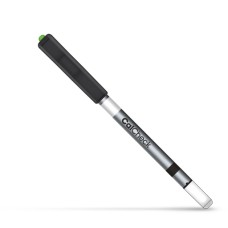
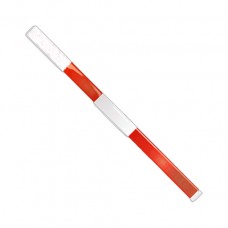
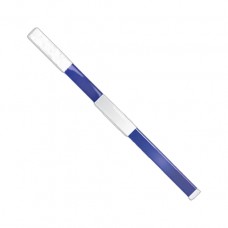
| Protein Residue Test | Verifying cleaning after production or product changeovers | Protein residues remaining on surfaces | Simple, rapid method that does not necessarily require an instrument | Indicates the presence of protein without identifying a specific allergen |
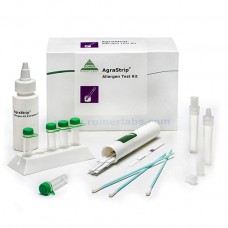
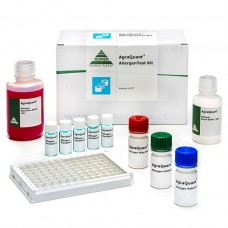
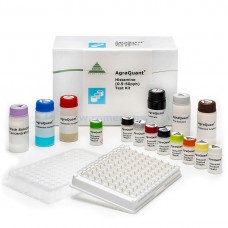
| Specific Allergen Rapid Test | Targeted testing for gluten, milk, egg, peanut, tree nuts and other allergens | Specific protein or allergen depending on the test kit | Directly tests for the allergen of concern rather than a general cleanliness indicator | Select the test according to the allergen, sample matrix, required sensitivity and sample type |
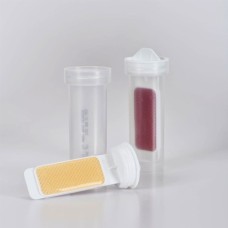
| Rapid Microbiological Test | Monitoring indicator organisms or microbial groups | E. coli, coliforms, Enterobacteriaceae, total viable count or other targets depending on the test | Enables targeted microbiological monitoring of processes and environments | Target organism, incubation requirements, detection limit and time to result |
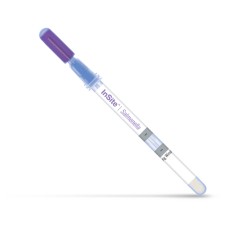
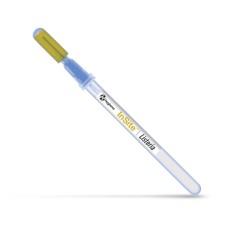
| Environmental Pathogen Test | Monitoring production areas for organisms such as Listeria or Salmonella | Organism or group targeted by the specific test | Provides targeted screening within an environmental monitoring program | Incubation time, sampling plan and confirmation of presumptive results |
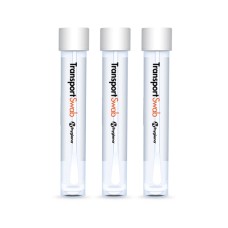
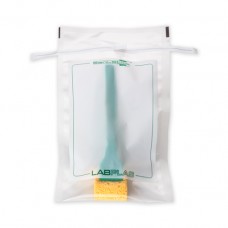
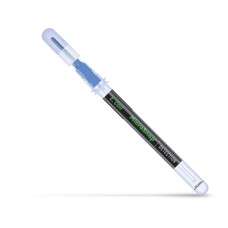
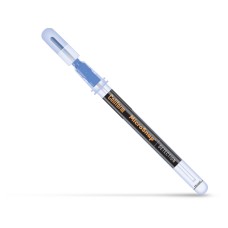
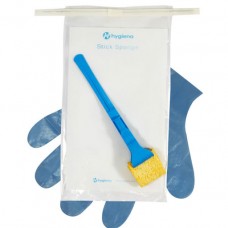
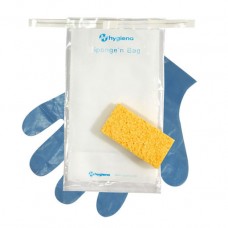
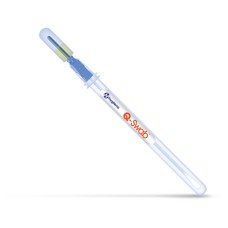
| Swab / Sampling Device | Collection and transport of samples from surfaces and production environments | Does not perform the test itself; collects the sample for subsequent analysis | Supports standardized sampling for microbiological or hygiene testing | Sampling area, microorganism recovery, sanitizer neutralization and intended analytical method |
Did You Know?
ATP results can be affected by more than the amount of organic residue present on a surface. Certain sanitizers, cleaning chemicals and sampling conditions can interfere with ATP measurements, while food residues may produce very different ATP responses depending on their composition. For this reason, ATP limits should be established and validated for the specific facility, surfaces and cleaning procedures rather than relying solely on a universal pass/fail value.
Can sanitizer residues interfere with ATP testing?
Yes. Depending on the ATP system and sanitizer chemistry, residual cleaning or sanitizing agents may suppress or otherwise affect the measured signal. Sampling procedures should therefore follow the test manufacturer's instructions, and facilities should validate their ATP procedure under their actual sanitation conditions.
Can ATP testing verify allergen removal after a product changeover?
ATP can help verify general cleaning effectiveness, but a low ATP result does not demonstrate that a specific allergenic protein has been removed. When cleaning is being validated for allergen control, protein-based or allergen-specific methods may be required depending on the objective of the verification program.