

Mycotoxin Testing & Analysis
Mycotoxins instruments for quality control of food and beverages. Instruments for mycotoxins detection such as fumonisin, aflatoxins, ochratoxins, zearalenone...
Comparison of Mycotoxin Testing Methods
| TEST METHOD | BEST SUITED FOR | RESULT TYPE | KEY ADVANTAGE | KEY CONSIDERATION |
|---|---|---|---|---|
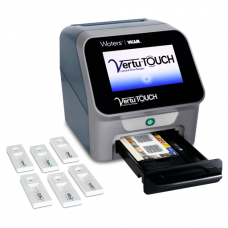
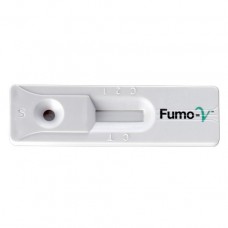
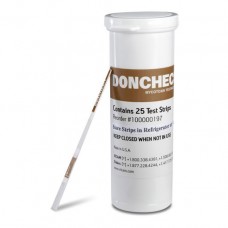
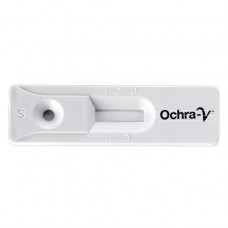
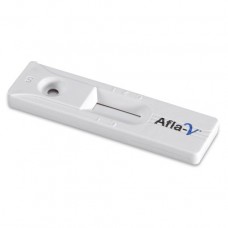
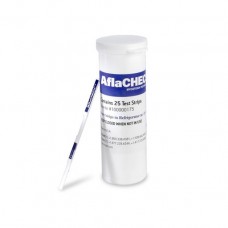
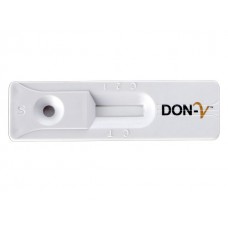
| Lateral Flow Test | Rapid screening of grains, feed and other commodities at receiving, storage or production sites | Qualitative or quantitative result depending on the test and reader | Fast testing with relatively simple sample preparation and minimal laboratory equipment | Mycotoxin target, commodity, detection range, extraction procedure and reader requirements |
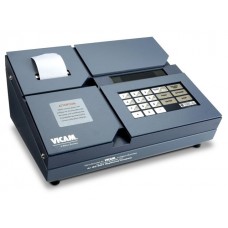
| Fluorometric Test | Routine quantitative mycotoxin testing in quality-control laboratories | Quantitative mycotoxin concentration | Provides rapid quantitative results using dedicated fluorometric instrumentation | Extraction method, cleanup procedure, calibration, toxin-specific test and sample matrix |
| ELISA Test | Laboratories processing multiple samples or batches | Quantitative or semi-quantitative concentration depending on the assay | Allows multiple samples to be analyzed efficiently in a microplate format | Incubation steps, calibration, matrix effects, required equipment and assay-specific procedures |
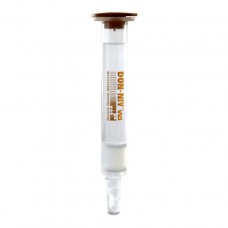
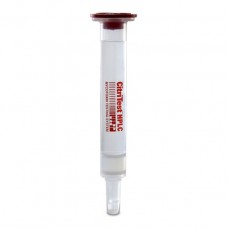
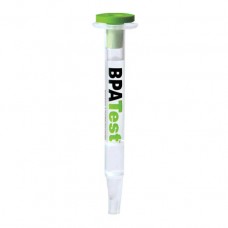
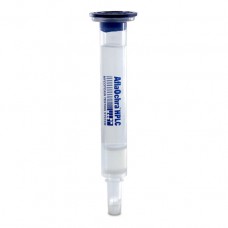
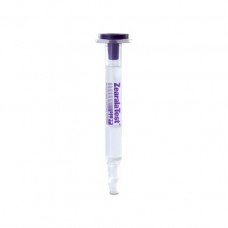
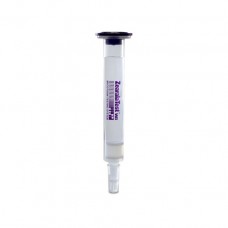
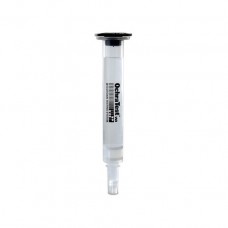
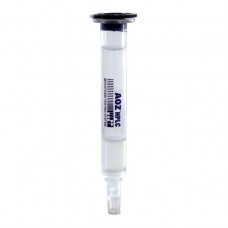
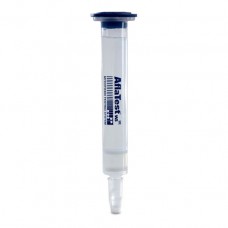
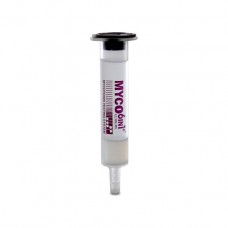
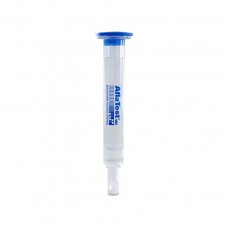
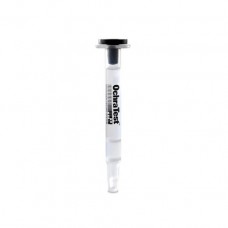
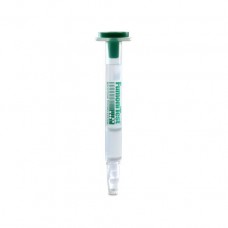
| Immunoaffinity Column Cleanup | Sample preparation before instrumental mycotoxin analysis | Purified and concentrated extract for subsequent analysis | Selectively isolates the target mycotoxin and reduces interfering matrix components | Target toxin, sample matrix, extraction procedure and compatibility with the analytical method |
| HPLC / LC-MS Analysis | Laboratory confirmation, reference testing and applications requiring advanced quantitative analysis | Quantitative identification and measurement of one or multiple mycotoxins, depending on the method | Provides highly selective analytical measurement and can support multi-mycotoxin methods | Requires specialized instrumentation, validated methods, sample preparation and trained laboratory personnel |


Did You Know?
Within a grain lot, mycotoxins can be distributed very unevenly: a small number of highly contaminated kernels may be mixed with many kernels containing little or no contamination. Sampling error can therefore have a greater influence on the final result than the precision of the analytical method itself. Sample size, sampling procedure, grinding and homogenization are consequently critical steps in obtaining a result that is representative of the lot.
Why are grain samples usually ground and homogenized before mycotoxin testing?
Grinding reduces the effect of contamination being concentrated in only a few kernels and helps produce a more homogeneous sample before the analytical portion is taken. Particle size, the amount of material ground and the homogenization procedure can therefore influence how representative the final result is.
Does a negative test mean that a lot is free of mycotoxins?
Not necessarily. A result below the detection or quantification limit of the method means that the mycotoxin was not detected or quantified at the specified level in the portion analyzed. It does not demonstrate its complete absence from the entire lot, particularly when contamination is heterogeneous.
Why is the detection limit important when choosing a mycotoxin test?
The method must be sufficiently sensitive to measure concentrations relevant to the product and the purpose of the test. An appropriate measurement range allows results to be compared with applicable limits or acceptance criteria without relying on a test that lacks the sensitivity required for the decision being made.
Can a rapid mycotoxin test replace laboratory analysis?
Rapid tests can provide screening or quantitative results within minutes and can be particularly useful for checking incoming raw materials or individual lots. Depending on the purpose of the analysis, regulatory requirements or a result requiring confirmation, a laboratory method such as chromatography may still be required.
Why test a sample for more than one mycotoxin?
The same agricultural commodity can be exposed to different mold species and may contain more than one mycotoxin. Depending on the commodity and the risks being evaluated, multi-mycotoxin analysis can therefore provide a more complete assessment than testing for a single compound alone.